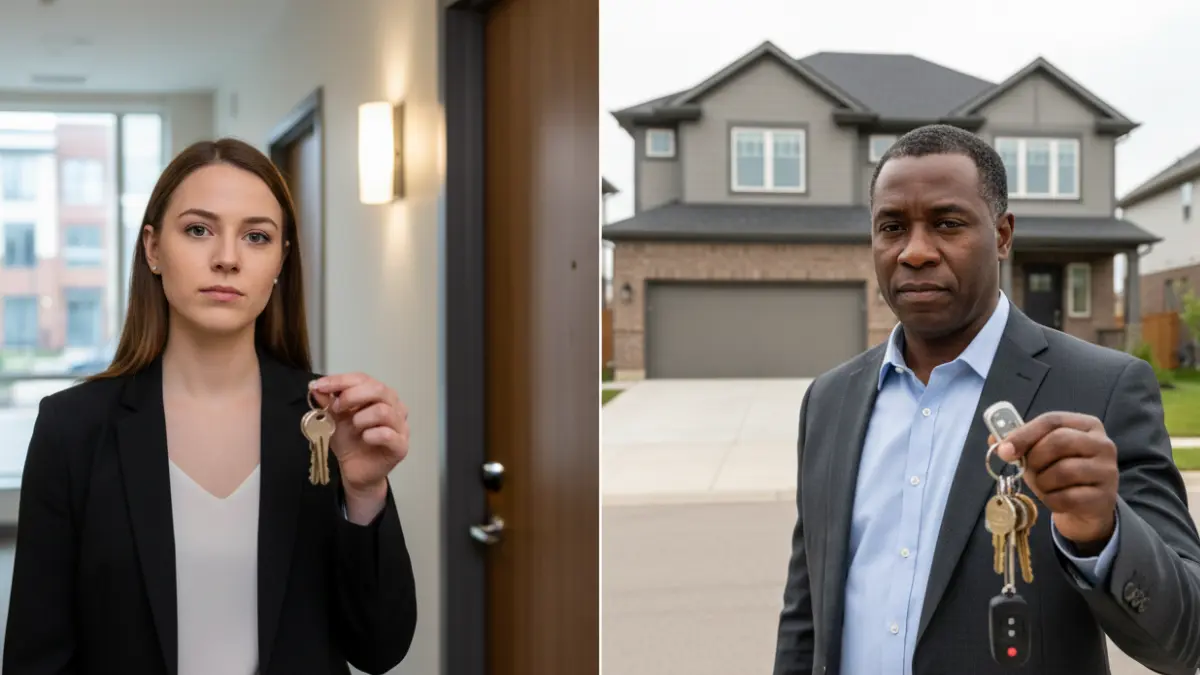
Rent vs buy in the USA 2026 is one of the biggest financial decisions Americans are facing as housing costs and interest rates remain high. Deciding whether to rent or buy a home has always been a major financial choice. In 2026, this decision feels even more complicated for Americans. Higher mortgage rates, elevated home prices, and changing work patterns have shifted the math in ways many people didn’t expect.
This guide breaks down rent vs buy in the USA in 2026, explains the real costs behind both options, and helps you decide which choice makes more financial sense based on your situation—not market hype.
Why the Rent vs Buy Debate Looks Different in 2026
In past decades, buying a home was often seen as the automatic “right” move. Today, the landscape is more nuanced.
Key changes influencing the decision include:
- Higher mortgage interest rates
- Increased home prices in many metro areas
- Rising rent costs
- More remote and flexible work options
As a result, renting is no longer just a temporary option for many households.rent vs buy in the usa 2026
Smart Ways to Use a Credit Card in 2026 Without Getting Into Debt
The True Cost of Renting in 2026
Renting offers simplicity, but it still comes with rising costs.
Common rental expenses include:
- Monthly rent payments
- Rent increases at renewal
- Renter’s insurance
- Limited control over long-term costs
While rent doesn’t build equity, it often provides predictable short-term expenses and flexibility.
This guide breaks down rent vs buy in the USA 2026 using real financial factors instead of market hype.
The True Cost of Buying a Home in 2026
Buying a home involves more than just the mortgage payment.
Homeownership costs typically include:
- Mortgage principal and interest
- Property taxes
- Homeowners insurance
- Maintenance and repairs
- HOA fees (if applicable)
These costs can fluctuate and should be factored into any decision.
Upfront Costs: Renting vs Buying
One of the biggest differences between renting and buying is the upfront financial commitment.
Renting Upfront Costs
- Security deposit
- First month’s rent
- Possible application fees
Buying Upfront Costs
- Down payment
- Closing costs
- Inspection and appraisal fees
Buying usually requires significantly more cash upfront.
How to Stop Living Paycheck to Paycheck in 2026: A Practical Guide for Americans
Monthly Cash Flow Comparison
Monthly affordability matters more than long-term theory.
In 2026:
- Rent may be lower than owning in high-price markets
- Mortgage payments may exceed rent due to interest rates
- Maintenance costs add variability for homeowners
Cash flow flexibility often favors renting, especially early in a career.
Equity and Long-Term Value
Homeownership’s biggest advantage is equity building.
However:
- Equity builds slowly in early years
- High interest payments delay principal reduction
- Home values don’t always rise steadily
Equity matters most if you plan to stay put for several years.
How Long You Plan to Stay Matters
Time horizon is one of the most important factors.
General guidance:
- Staying less than 3–5 years: renting often makes more sense
- Staying long-term: buying may offer financial benefits
Frequent moves reduce the advantages of ownership.
Flexibility vs Stability
Renting offers flexibility.
- Easier relocation
- Lower exit costs
Buying offers stability.
- Fixed housing costs (with fixed-rate mortgages)
- Control over the property
Your lifestyle should guide this choice.
How Americans Can Lower Monthly Expenses in 2026 Without Sacrificing Quality of Life
Renting Can Be the Smarter Financial Choice When
- You’re unsure about long-term location
- You want to keep more cash invested elsewhere
- Housing prices feel stretched in your area
Renting isn’t “throwing money away” when it supports broader financial goals.
Buying Can Be the Smarter Financial Choice When
- You have stable income
- You plan to stay long-term
- You’re prepared for maintenance costs
Buying works best with preparation, not pressure.
Emotional vs Financial Decision-Making
Home decisions are emotional—but they should be financially grounded.
Ask yourself:
- Can I comfortably afford this home?
- Does it support my long-term goals?
- Am I buying out of readiness or fear?
Clarity prevents regret.
Should I Rent or Buy a House in 2026? A Simple Guide for US Families
Final Thoughts
In the rent vs buy debate in the USA in 2026, there is no one-size-fits-all answer.
Renting can offer flexibility and financial breathing room, while buying can provide stability and long-term equity. The smarter choice depends on your income, timeline, location, and personal goals.
The best housing decision is the one that strengthens your overall financial health—not just your address.