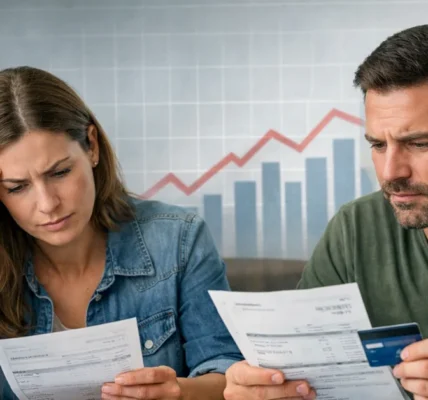

How Much House Can You Really Afford in 2026? A Practical Guide for Americans

How much house can you really afford 2026 is one of the most important questions Americans are asking as home prices and mortgage rates remain high. Buying a home is one of the biggest financial decisions Americans make. In 2026, rising home prices, higher mortgage rates, and tighter budgets have made one question more important than ever: how much house can you really afford?
This guide breaks down home affordability in 2026 using realistic numbers, explains how lenders calculate limits, and helps you decide a price range that protects your finances instead of stretching them.
Why Home Affordability Is Tricky in 2026
Many buyers assume affordability is based only on income. In reality, several factors interact in ways that can quietly strain your budget.
Key challenges in 2026 include:
- Mortgage rates higher than pre-pandemic lows
- Elevated home prices in many metro areas
- Higher insurance, tax, and maintenance costs
- Less room for error in monthly cash flow
Affording a home today requires conservative planning.
How to Improve FICO Score Fast in 2026: 7 Proven Steps That Actually Work
The Difference Between What You Can Buy and What You Should Buy
Lenders often approve buyers for the maximum amount they qualify for—but that number is not always comfortable.
The maximum approval:
- Uses lender formulas
- Does not account for lifestyle goals
- Leaves little room for emergencies
What you should buy is based on long-term stability, not approval limits.
How Lenders Calculate How Much House You Can Afford
Mortgage lenders rely heavily on debt-to-income ratios (DTI).
Front-End Ratio
This measures housing costs compared to income.
- Mortgage payment
- Property taxes
- Insurance
Many lenders prefer this to stay below 28%.
Back-End Ratio
This includes all monthly debts.
- Housing costs
- Credit cards
- Auto loans
- Student loans
In 2026, lenders may allow up to 43%—but lower is safer.
A Safer Rule of Thumb for Buyers
Instead of pushing limits, many financial planners suggest a more conservative approach.
A safer guideline:
- Housing costs below 25% of take-home pay
- Enough room to save monthly
- No reliance on overtime or bonuses
This approach reduces stress if expenses rise.
Monthly Costs Buyers Often Underestimate
Many first-time buyers focus only on mortgage payments.
Hidden or underestimated costs include:
- Property taxes that increase over time
- Homeowners insurance premiums
- Maintenance and repairs
- HOA fees
- Utility costs
These expenses add up quickly.
How Your Down Payment Affects Affordability
Down payments impact both monthly costs and long-term flexibility.
Larger down payments:
- Lower monthly payments
- Reduce interest paid over time
- Improve loan terms
Smaller down payments increase monthly pressure.
This guide explains how much house can you really afford 2026 using conservative and realistic budgeting rules.
Emergency Savings Matter More Than House Size
Owning a home without savings is risky.
Before buying, aim for:
- 3–6 months of expenses saved
- Separate funds for home repairs
A slightly smaller home with savings is safer than a larger home without a buffer.
Best Credit Cards for Beginners in the USA (2026 Guide)
How Lifestyle Goals Should Influence Your Budget
Your home should support—not limit—your life.
Consider:
- Travel plans
- Family goals
- Career flexibility
- Retirement savings
If housing costs crowd out these priorities, the price may be too high.
Warning Signs You’re Buying Too Much House
Buyers often notice stress signals early.
Red flags include:
- Using credit cards to cover regular bills
- Skipping savings contributions
- Feeling anxious about maintenance costs
These signs suggest the home may be stretching your finances.
How to Adjust Your Budget Without Giving Up Homeownership
If prices feel overwhelming, options still exist.
Possible adjustments:
- Buying a smaller home
- Choosing a different neighborhood
- Waiting to increase savings
- Improving credit before buying
Timing and preparation can significantly improve affordability.
Is Waiting Sometimes the Smarter Choice?
Buying later is not failure—it can be strategy.
Waiting may help if:
- Your income is rising
- You’re reducing debt
- You’re building a stronger down payment
Rushing into a purchase often costs more long-term.
How to Build an Emergency Fund Faster in 2026 (Even on a Tight Budget)
Final Thoughts
So, how much house can you really afford in 2026? The answer is rarely the maximum a lender approves.
A truly affordable home fits comfortably within your budget, allows you to save, and supports your long-term goals. Buying less house than you qualify for can be one of the smartest financial decisions you make.
In 2026, financial peace is worth more than square footage.

How much house can I really afford in 2026?
Most financial experts suggest that your total monthly housing costs should stay below 25–30% of your take-home income in 2026. Buying less than the maximum a lender approves often leads to better financial stability.
Is it risky to buy the maximum house a lender approves?
Lenders calculate approval limits based on formulas, not your lifestyle. Buying at the maximum limit can leave little room for savings, emergencies, or unexpected expenses.
What costs should I include when calculating home affordability?
You should include mortgage payments, property taxes, homeowners insurance, maintenance, utilities, and HOA fees. Ignoring these costs can make a home feel affordable on paper but stressful in real life.
Does a larger down payment improve affordability?
A larger down payment lowers your monthly mortgage payment, reduces interest costs, and can improve loan terms, making the home more affordable long-term.
Should I wait to buy a house if prices feel too high in 2026?
Waiting can be a smart financial move if it allows you to save more, reduce debt, or improve credit. Buying when you feel financially ready is more important than timing the market.