
Credit Card Interest Rates in 2026: Why APR Is Still High and How Americans Can Avoid Paying More

Credit card interest rates in 2026 remain a major concern for millions of Americans. Even as inflation shows signs of cooling, many consumers are surprised to see credit card APRs still near historic highs.
If you carry a balance or rely on credit cards for everyday spending, understanding why rates are high—and how to avoid paying unnecessary interest—is more important than ever.
Why Credit Card Interest Rates Are Still High in 2026
Many Americans expected credit card APRs to fall quickly after economic conditions improved. However, several factors are keeping rates elevated.
Federal Reserve Policy Takes Time to Reach Consumers
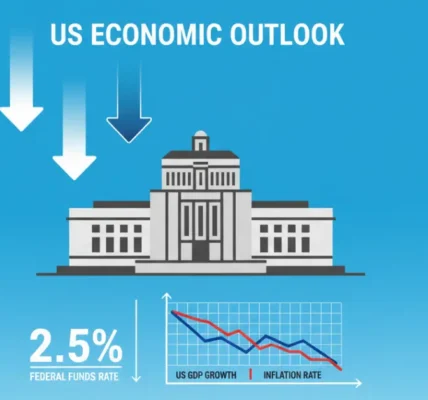
Most credit cards have variable interest rates tied loosely to broader monetary policy. Even when benchmark rates stabilize or decline, credit card APRs often lag behind.
Lenders Are Managing Higher Risk
Consumer debt levels remain high in the United States. To protect themselves, banks continue to price in risk through higher interest rates, especially for borrowers with average or below-average credit scores.
How to Improve Your Credit Score Fast: A Step-by-Step Guide (2026)
Credit Card APRs Include Multiple Cost Layers
Unlike mortgages, credit card interest rates include:
- Default risk
- Operational costs
- Profit margins
This structure makes APRs slower to decline.
What Is the Average Credit Card Interest Rate in 2026?
In 2026, average credit card APRs for Americans typically fall in the double-digit range. Many cards charge interest rates well above what borrowers see on personal loans or mortgages.
For consumers carrying balances, these rates can significantly increase total repayment costs.
Why Credit Card APR Matters More Than Ever
High interest rates mean:
- Balances grow faster
- Minimum payments reduce debt slowly
- Total interest paid increases dramatically over time
Even small balances can become expensive if left unpaid.
How Credit Card Interest Is Calculated
Credit card issuers calculate interest daily based on your average daily balance.
This means:
- Interest compounds quickly
- Carrying a balance even briefly can add costs
- Paying earlier in the billing cycle reduces interest
Understanding this system helps borrowers minimize charges.
How Americans Can Avoid Paying High Credit Card Interest in 2026
While interest rates remain high, consumers still have ways to reduce or avoid them.
How Much Credit Card Debt Is Too Much? A 2026 Guide for Americans
Pay Your Balance in Full Each Month
The most effective way to avoid interest is to pay the full statement balance before the due date. This keeps purchases interest-free.
Make Payments More Frequently
Paying weekly or biweekly reduces the average daily balance, lowering total interest charged.
Use Balance Transfer Offers Carefully
Some cards offer promotional 0% APR periods. These can help eliminate debt faster if fees and timelines are managed carefully.
Improve Your Credit Score
Higher credit scores often qualify borrowers for lower APRs and better card offers.
When It Makes Sense to Negotiate Your APR
Some card issuers are willing to lower interest rates for long-term, reliable customers.
APR negotiation may work best if:
- You have a strong payment history
- Your credit score has improved
- You rarely miss payments
A short phone call can sometimes lead to meaningful savings.
Common Mistakes That Increase Interest Costs
Avoid these habits:
- Only making minimum payments
- Ignoring APR details when applying
- Using cards for long-term borrowing
Small changes can prevent large interest charges.
How Americans Can Lower Monthly Expenses in 2026 Without Sacrificing Quality of Life
Are Credit Card Interest Rates Expected to Drop?
While rates may ease slowly over time, experts do not expect rapid declines. Consumers should plan finances assuming higher APRs may continue.
Preparing for elevated rates is safer than waiting for relief.
Final Thoughts
Credit card interest rates in 2026 remain high due to economic factors, lender risk, and how credit cards are structured.
By understanding APR mechanics and using smart payment strategies, Americans can protect themselves from excessive interest and keep credit cards as a convenience—not a financial burden.
Managing credit proactively today can save thousands of dollars over time.