Why Minimum Payments Keep You in Debt (And What to Do Instead in 2026)

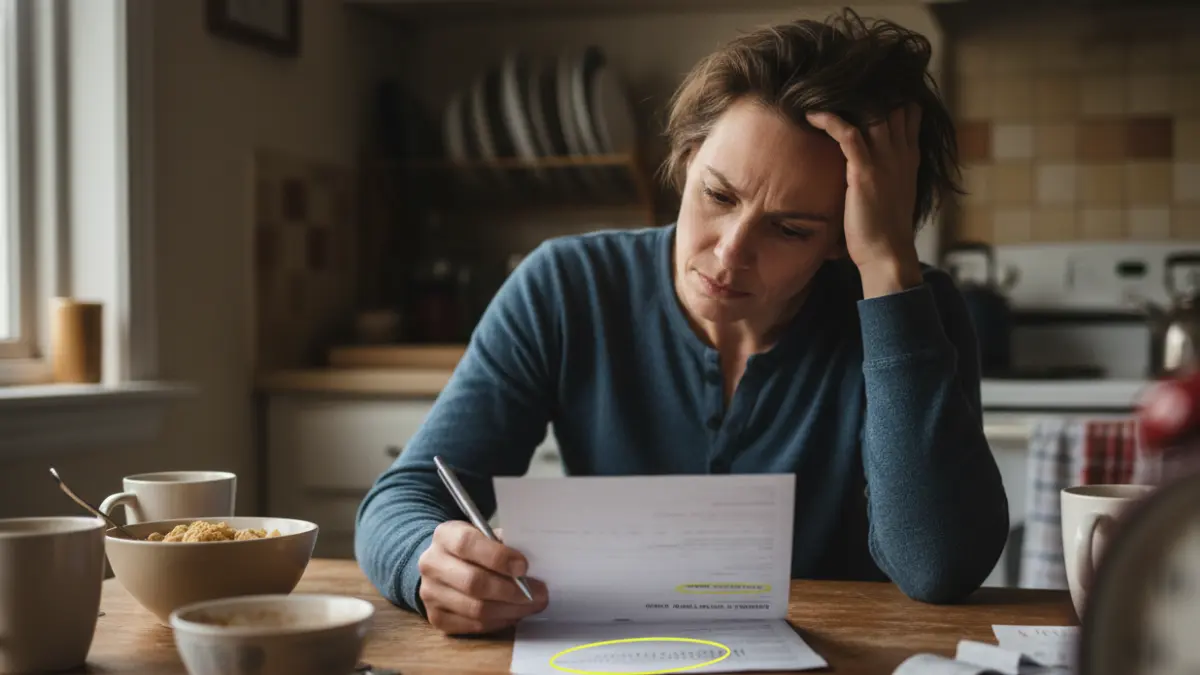
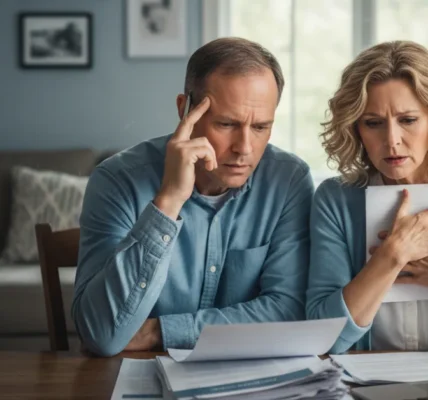
For millions of Americans, credit card statements arrive every month with a familiar message: Minimum Payment Due. Paying the minimum feels responsible—it keeps the account current and avoids late fees. But in 2026, minimum payments are one of the biggest reasons people stay trapped in debt for years.
This article explains why minimum payments keep you in debt, how interest quietly works against you, and what smarter strategies can help you break free faster.
What Is a Minimum Payment, Really?
The minimum payment is the smallest amount your credit card issuer allows you to pay each month without being considered late. It’s usually a small percentage of your balance, often between 1% and 3%, plus interest and fees.
While this keeps your account in good standing, it does very little to reduce what you actually owe.
How Interest Turns Minimum Payments Into Long-Term Debt
Credit card interest is calculated on your remaining balance. When you make only the minimum payment, most of that money goes toward interest—not the principal.
This means:
- Your balance decreases very slowly
- Interest continues to pile up
- Total repayment time stretches for years
In high-interest environments like 2026, this effect is even more severe.
How to Improve Your Credit Score Fast: A Step-by-Step Guide (2026)
The True Cost of Paying Only the Minimum
Many borrowers underestimate how expensive minimum payments really are.
For example, a $5,000 credit card balance with a high APR could take:
- 10–15 years to repay
- Thousands of dollars in interest
What looks manageable month to month becomes extremely costly over time.
Why Minimum Payments Feel So Tempting
Minimum payments exist for a reason—they keep accounts active and profitable for lenders.
For consumers, minimum payments feel attractive because they:
- Keep monthly obligations low
- Free up cash for other expenses
- Reduce short-term financial stress
Unfortunately, this short-term relief often creates long-term financial strain.
How Minimum Payments Affect Your Credit Score
Making the minimum payment on time helps your payment history, which is good. But there’s a downside.
High balances relative to your credit limit increase your credit utilization, which can:
- Lower your credit score
- Make future borrowing more expensive
- Limit approval for better credit offers
So while minimum payments prevent damage, they rarely help your score improve meaningfully.
Why Minimum Payments Are Especially Dangerous in 2026
In 2026, several factors make minimum-payment debt more risky:
- Credit card interest rates remain elevated
- Living costs are still high
- Household budgets are tighter
These conditions increase reliance on credit and make balances harder to reduce.
Is 2026 a Good Year to Buy a House in the USA?
What to Do Instead of Paying Only the Minimum
Breaking free from debt doesn’t require extreme sacrifices—it requires strategy.
1. Pay More Than the Minimum (Even Slightly)
Adding even a small amount above the minimum can significantly reduce interest over time.
2. Focus on High-Interest Balances First
Targeting the highest APR cards first saves money faster and shortens repayment timelines.
3. Use a Structured Repayment Method
Popular approaches include:
- Debt avalanche (highest interest first)
- Debt snowball (smallest balance first)
Consistency matters more than the specific method.
4. Avoid Adding New Charges
Paying down debt while continuing to spend on cards slows progress dramatically.
How Extra Payments Change the Timeline
Increasing payments creates a powerful snowball effect:
- Lower balances reduce interest charges
- More of each payment goes to principal
- Debt payoff accelerates over time
This is how borrowers regain control.
Balancing Debt Payoff With Everyday Expenses
Paying more than the minimum doesn’t mean neglecting essentials.
Smart borrowers:
- Build a small emergency buffer
- Budget realistically
- Avoid draining savings entirely
Sustainability is key.
When Minimum Payments Are the Only Option
In some situations—job loss, medical emergencies—paying the minimum may be unavoidable.
If that happens:
- View it as temporary
- Return to higher payments as soon as possible
- Look for ways to reduce interest costs
The goal is to avoid making minimum payments a long-term habit.
Final Thoughts
Minimum payments keep you in debt because they prioritize interest over progress. While they prevent immediate damage, they delay financial freedom.
In 2026, breaking the cycle requires intention, consistency, and a willingness to pay more than the bare minimum whenever possible.
Small changes today can save years—and thousands of dollars—tomorrow.