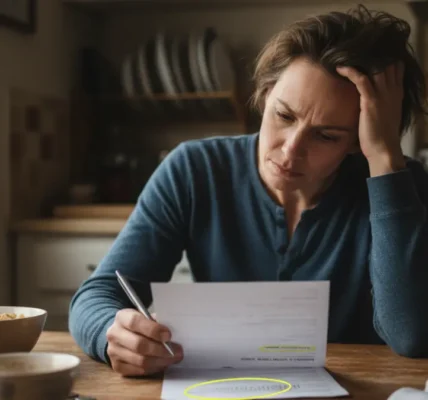

How to Build an Emergency Fund in 2026 (Even If You’re Living Paycheck to Paycheck)

For many Americans, the idea of building an emergency fund feels unrealistic. Rising living costs, credit card debt, and uneven income growth make saving money harder than ever. Yet in 2026, having an emergency fund isn’t optional—it’s essential.
This guide explains how to build an emergency fund in 2026, even if you’re living paycheck to paycheck. The goal isn’t perfection. It’s protection.
What Is an Emergency Fund and Why It Matters
An emergency fund is money set aside for unexpected expenses—job loss, medical bills, car repairs, or urgent home costs.
Without savings, many families turn to credit cards or loans during emergencies, which can quickly lead to long-term debt problems.
An emergency fund provides:
- Financial breathing room
- Protection from high-interest debt
- Peace of mind during uncertain times
Why Emergency Funds Are More Important in 2026
Economic uncertainty hasn’t disappeared. Even if inflation slows, prices remain high and job markets can change quickly.
In 2026, households face:
- Higher everyday living costs
- Elevated credit card interest rates
- Greater reliance on credit during shortfalls
Saving even a small buffer can prevent a temporary setback from becoming a financial crisis.
Will Credit Card Interest Rates Go Down in 2026? What US Consumers Should Expect
How Much Should You Save?
The traditional advice is three to six months of expenses. While that’s ideal, it can feel overwhelming.
A better approach is to start small:
- $500 as a starter emergency fund
- $1,000 as the next milestone
- Then gradually build toward one to three months of expenses
Progress matters more than hitting a perfect number.
How to Build an Emergency Fund on a Tight Budget
If you’re living paycheck to paycheck, saving requires strategy—not sacrifice alone.
1. Start With Small, Automatic Savings
Even $10–$25 per week adds up over time. Automating transfers removes the temptation to skip saving.
2. Separate Savings From Spending
Keep emergency funds in a separate savings account to avoid accidental spending.
3. Use Windfalls Wisely
Tax refunds, bonuses, or cash gifts are opportunities to boost savings quickly.
4. Reduce High-Interest Debt When Possible
Lowering credit card balances frees up cash flow that can later support savings.
Where Should You Keep Your Emergency Fund?
Emergency savings should be accessible and safe.
Good options include:
- High-yield savings accounts
- Money market accounts
Avoid investing emergency funds in stocks or risky assets. Accessibility matters more than returns.
How to Improve FICO Score Fast in 2026: 7 Proven Steps That Actually Work
Common Mistakes to Avoid
When building an emergency fund, avoid these pitfalls:
- Waiting for the “perfect time” to start
- Using savings for non-emergencies
- Stopping savings completely after reaching a small goal
Consistency beats intensity.
Balancing Emergency Savings and Debt
Many households struggle to choose between saving and paying down debt.
A balanced approach often works best:
- Build a small emergency fund first
- Focus on high-interest debt repayment
- Return to building savings once debt pressure eases
This strategy reduces reliance on credit during emergencies.
How an Emergency Fund Protects Your Credit Score
Unexpected expenses often lead to missed payments or rising balances.
Emergency savings help:
- Avoid late payments
- Prevent maxed-out credit cards
- Protect long-term credit health
This makes emergency funds a powerful credit-protection tool.
Staying Motivated When Progress Feels Slow
Saving can feel discouraging when expenses keep rising.
To stay motivated:
- Track milestones visually
- Celebrate small wins
- Remind yourself what the fund protects you from
Every dollar saved reduces future stress.
Final Thoughts
Building an emergency fund in 2026 may feel difficult—but it’s still possible. You don’t need a high income or perfect budget to start.
What matters most is taking the first step, staying consistent, and viewing savings as protection rather than restriction. Even a small emergency fund can make a big difference when life doesn’t go as planned.